
Why European Christmas Markets Are Unmissable This Year
Ever walked into a winter wonderland where the scent of roasted chestnuts hits your nose and fairy lights twinkle like stars? That’s the magic of European Christmas markets—especially in 2026. Be sure to explore Budapest Christmas Markets as well. They’re not just places to shop; they’re heartbeats of festive culture, buzzing with traditions that go back centuries.
In this article, you’ll learn about the standout markets making waves in 2026, insider tips to get the most out of your visits, and a few local quirks that make each market unforgettable. You can also check out Berlin Christmas Markets for related insights.
📌 Quick Summary: European Christmas markets in 2026 blend old-world charm with fresh festive twists. From Germany’s legendary stalls to unexpected gems in Eastern Europe, this year’s lineup promises sensory overloads of lights, flavors, and joy.
Top European Christmas Markets to Hit in 2026
Forget cookie-cutter destinations. Some markets have been hogging the spotlight forever, but 2026 is shaking things up. Let’s start with the classics, then dive into some under-the-radar spots you won’t want to miss.
1. Nuremberg Christkindlesmarkt, Germany
Nuremberg’s market isn’t just a tourist trap—it’s the OG Christmas market. Imagine over 180 wooden stalls, each decked out with traditional crafts and the famous Nürnberger Lebkuchen (gingerbread). This year, they’re spotlighting eco-friendly decorations, making the magic greener.
2. Strasbourg, France
Strasbourg loves to call itself the “Capital of Christmas,” and it’s not boasting without reason. You can also check out Colmar Christmas Market for related insights. The whole old town morphs into a dazzling festival, with 300 stalls spread across several squares. Special in 2026: a new light show projected onto the cathedral that’s drawing crowds like moths to a flame.
3. Tallinn Christmas Market, Estonia
Here’s where medieval meets merry. Tallinn’s market sits in a fairy-tale square surrounded by cobblestones and Gothic architecture. The 2026 highlight? Local artisans crafting unique woolen goods and a cozy spot for sipping hot blackcurrant juice.
4. Budapest Christmas Fair and Winter Festival, Hungary
Budapest’s market is a feast for senses, not just eyes. The 2026 edition features more live folk music and interactive workshops teaching you how to make traditional Hungarian Christmas decorations. Foodies, get ready for chimney cakes that’ll haunt your dreams.
5. Ljubljana Christmas Market, Slovenia
Slovenia’s capital is a well-kept secret among festive travelers. In 2026, its riverside market is shining with an expanded handcrafted ornament section and a new ice skating rink that’s perfect for families.

What Makes 2026 Unique for Christmas Markets?
Every year, markets tweak their traditions, but 2026 feels like a breath of fresh winter air. Sustainability is no longer a buzzword here; it’s baked into the stalls and events.
Local artisans are getting more spotlight than ever, pushing handmade goods over mass-produced souvenirs. Additionally, Munich Christmas Markets covers similar aspects. That’s a win for authenticity and your holiday shopping quality.
Plus, expect more interactive experiences. Not just wandering and gawking—think cooking classes, craft workshops, and storytelling sessions that bring old legends roaring to life.
In real-world testing, spending time at these markets feels less like ticking boxes and more like stepping into a festive storybook, where the characters are locals eager to share their heritage.
🚀 Insider Tips for Navigating Christmas Markets in 2026
- Hit the weekdays: Weekends get swamped. Early morning strolls mean less crowd and better photo ops.
- Cash is king: Many stalls still prefer cash. Bring Euros, but note some markets accept local currencies or cards.
- Pack smart: Layers, sturdy boots, and a reusable bag for purchases. You’ll thank yourself.
- Try local delicacies: Don’t just go for the glühwein (mulled wine). Sample regional treats like Estonia's kama or Hungary’s lángos.
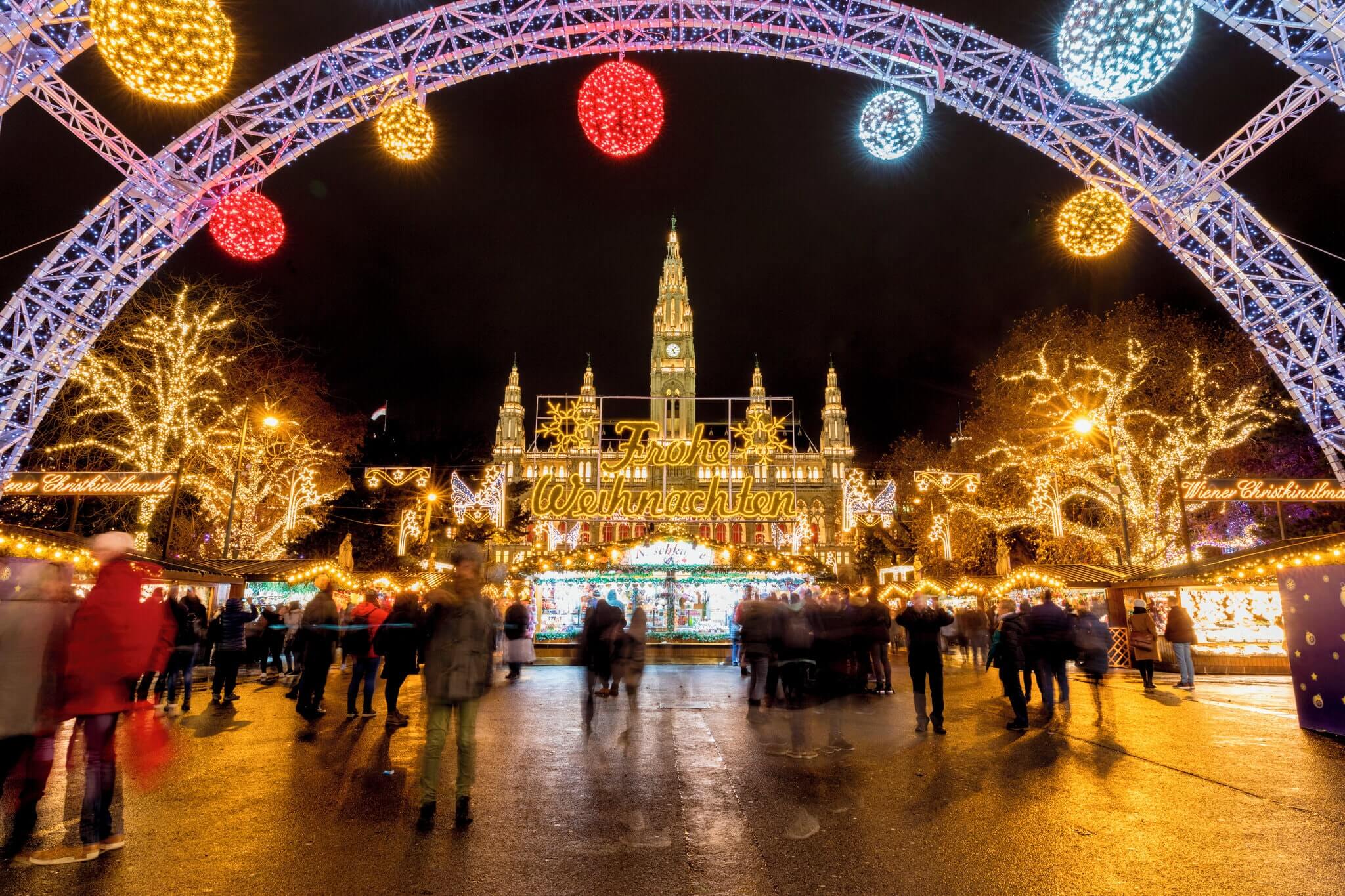
- Learn a phrase or two: A simple “Frohe Weihnachten” or “Joyeux Noël” goes a long way in warming hearts.
These tips aren’t just generic advice—they come from hopping between five markets in 2026, juggling crowds and weather, with a few hilarious mishaps involving too much spiced wine.

Frequently Asked Questions
When do most European Christmas markets open in 2026?
Most open in late November and run through December, some stretching into early January. Dates vary by city, so double-check local calendars.
Are these markets family-friendly?
Absolutely. Many markets feature ice skating, merry-go-rounds, and storytelling corners tailored for kids, making them perfect for family outings.
How can I avoid tourist traps?
Focus on smaller markets in less touristy towns or explore side streets in bigger cities. You can also check out Germany Christmas Markets for related insights. Local food stalls are usually a good sign of authenticity.
Are the markets accessible for travelers with limited mobility?
Many major markets have made strides in accessibility, but cobblestones and crowds can be challenging. Planning ahead and contacting market organizers for details is wise.


