Why Is Greek Orthodox Christmas Celebrated on January 7th?
Ever wondered why Greek Orthodox Christmas doesn’t happen on December 25th like most of the world? The answer lies in the calendar. You can also check out Coptic Christmas for related insights. The Greek Orthodox Church sticks to the Julian calendar for religious holidays, which lags 13 days behind the Gregorian calendar.
So, while most celebrate on December 25, Greek Orthodox Christmas lands on January 7, 2026. It's not just a date shift—it’s a whole vibe, steeped in centuries-old traditions and rituals that make the day uniquely powerful.
The Julian Calendar’s Role
The Julian calendar was introduced by Julius Caesar in 45 BCE but fell out of sync with the solar year. The Gregorian calendar, introduced in 1582, corrected this. However, many Orthodox Churches, including the Greek Orthodox, stuck with the Julian for their liturgical events.
So, Greek Orthodox Christmas 2026 officially begins on the evening of January 6, the eve of the feast, and continues through the 7th, when the main celebrations occur.
What’s the Big Deal About January 6th Evening?
Greek families gather for a solemn Christmas Eve dinner known as the "Paramony," literally meaning "waiting." It’s a spiritual pause before the joyous celebration, often marked by special prayers and fasting.
Imagine a family around the table, plates filled with fasting-approved dishes—no meat or dairy—waiting patiently for midnight to strike. You can also check out Richmond Christmas Parade for related insights. That moment flips the switch from solemnity to celebration.
Unique Traditions of Greek Orthodox Christmas 2026
Greek Christmas isn’t just about gifts and trees. It’s a sensory overload of customs that mix faith, folklore, and festive fun.
Here’s what you can expect if you find yourself in a Greek household or community this January 7th:
Kalanda: The Christmas Carols with a Twist
Kids go door to door singing "Kalanda," traditional carols accompanied by small percussion instruments like triangles or drums. Instead of just candy, they often receive money or small treats.
Think of it as a neighborhood hustle, but with more rhythm and less trick-or-treating chaos.
Vasilopita: The New Year's Bread with a Hidden Surprise
Though Vasilopita is technically a New Year’s tradition, it’s baked and prepared around Christmas time, blending into the festive period. This sweet bread has a coin hidden inside. Whoever finds it is said to have luck for the entire year.
Picture a family slicing the bread together, eyes sparkling, hoping to snag the lucky coin—an exciting and tense moment every single year.
The Icon of the Nativity
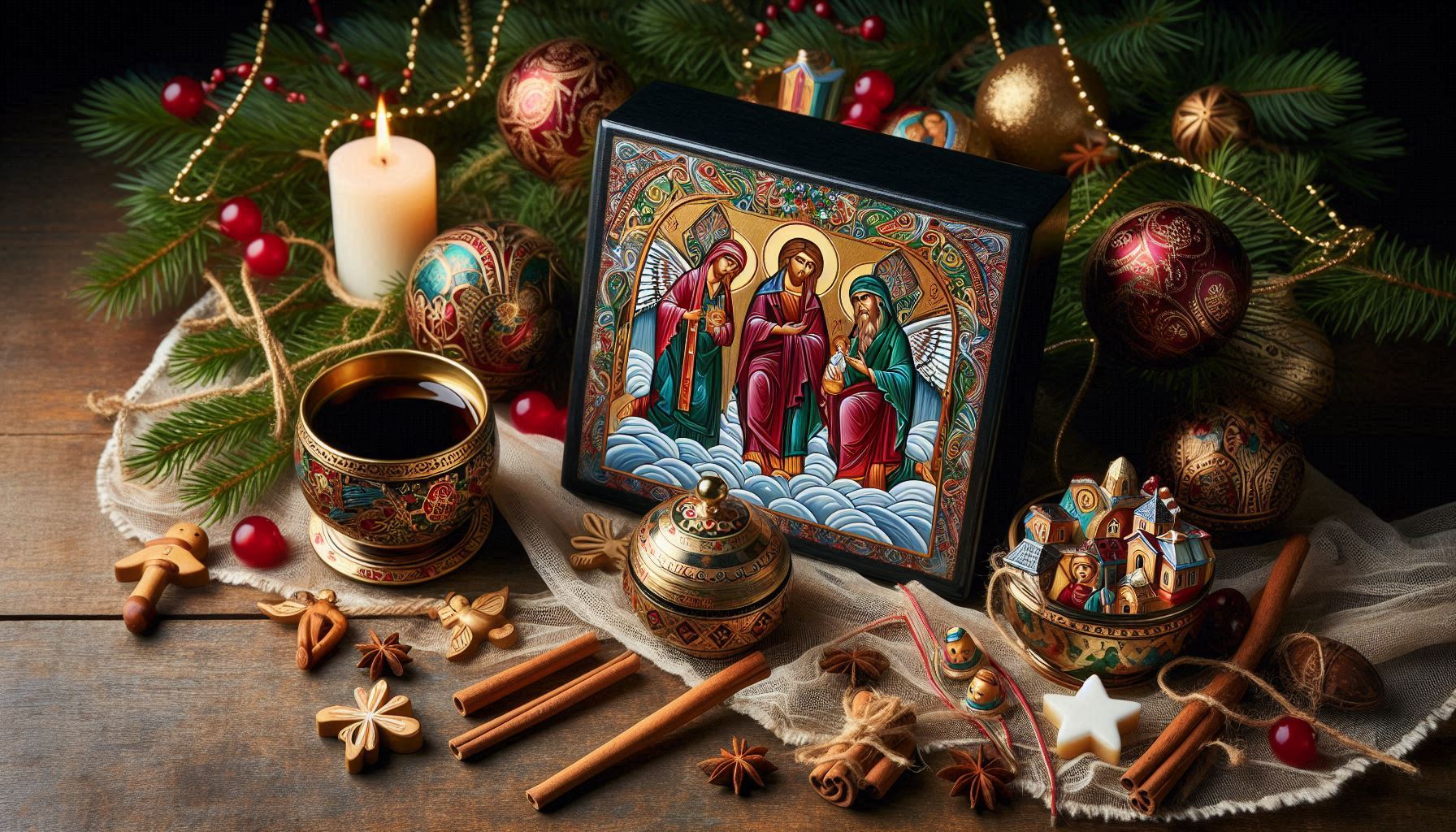
Icons are more than decoration—they're spiritual anchors. You can also check out World Christmas for related insights. The Nativity icon is prominently displayed, often surrounded by candles. This isn’t just art; it’s a living symbol during the Christmas celebration.
The ritual of lighting candles around it connects everyone to centuries of faith and community, reminding them of the sacredness of the day.
Greek Orthodox Christmas Food: More Than Just a Meal
In real-world testing, I’ve found that nothing brings a Greek Christmas to life quite like the food. The dishes served aren’t random—they're deeply symbolic and rich in flavor.
Fasting Before the Feast
Leading up to Christmas, many Orthodox Greeks fast, meaning no meat, dairy, or eggs. This spiritual cleanse makes the eventual feast all the more satisfying.
By January 7, families break the fast with dishes that are both decadent and celebratory.
Christmas Day Feast Staples
- Roast Lamb or Pork: The centerpiece of the meal, often slow-roasted with herbs and garlic. Imagine juicy, tender meat that practically melts on your tongue.
- Kourabiedes and Melomakarona: These almond cookies and honey-soaked pastries are Christmas dessert royalty. Sweet, crumbly, and utterly addictive.
- Spanakopita: Spinach pies with flaky phyllo dough, offering a savory contrast to the sweets.
Food here is a bridge—between family generations, between fasting and feasting, between the sacred and the joyous.
Important 5 Meaningful Ways Orthodox Christmas Day Celebrates Tradition ...
Source: theminorstudy.com
How Greek Orthodox Christmas 2026 Is Celebrated Around the World
Greek Orthodox communities worldwide keep these traditions alive, but each location adds a local twist.
In Greece
Villages buzz with candlelit church services, community feasts, and sometimes fireworks. Be sure to explore Trending Christmas Decor as well. The streets echo with Kalanda carols, and everyone gathers to share both food and faith. In 2026, expect more emphasis on outdoor celebrations, reflecting a post-pandemic desire for connection.
In the United States
Greek Orthodox churches hold midnight liturgies followed by big family dinners. Greek-American communities blend their heritage with American Christmas customs, so you might see a Christmas tree next to the Nativity icon.
From a personal perspective, attending one of these services in New York in recent years felt like stepping into a warm cocoon of culture and faith—an immersive, heartfelt experience.
In Australia and Canada
Because of the Southern Hemisphere’s summer during Christmas, celebrations often combine outdoor barbecues with traditional dishes. This mix creates a unique, sun-soaked festive atmosphere.
Even in these diverse climates, the essence remains—a strong focus on family, faith, and festive joy.

📌 Quick Summary: Greek Orthodox Christmas 2026 lands on January 7 due to the Julian calendar. It’s a rich blend of solemn fasting, vibrant traditions like Kalanda caroling, and a feast that celebrates family and faith with age-old dishes and rituals.
Frequently Asked Questions
Why does Greek Orthodox Christmas fall on January 7?
Because the Greek Orthodox Church follows the Julian calendar, which is 13 days behind the Gregorian calendar. Thus, their Christmas aligns with January 7 on the modern calendar.
What are the main traditions unique to Greek Orthodox Christmas?
Key customs include the Kalanda caroling by children, the Paramony fasting dinner on Christmas Eve, the Nativity icon rituals, and the festive feast on January 7 featuring roast lamb or pork and traditional sweets. Additionally, Dollywood Christmas Lights covers similar aspects.
How does fasting influence the Christmas meal?
Fasting before Christmas means no meat or dairy for a period, making the Christmas Day feast a significant and joyful break from restraint, often featuring hearty, rich foods.
Can I attend a Greek Orthodox Christmas service?
Absolutely. Greek Orthodox churches welcome visitors to liturgies, especially on Christmas Eve and Christmas Day. It’s a moving experience blending chant, incense, and community.
Are there any modern twists on Greek Orthodox Christmas in 2026?
In 2026, there's a growing trend towards blending traditional celebrations with local customs, especially in diaspora communities. Outdoor gatherings and hybrid virtual events have also become more common.
So, whether you’re Greek Orthodox or just curious, 2026’s Christmas season offers a powerful, heartfelt celebration that’s worth experiencing firsthand or at least understanding deeply.