
The Magic of Serbian Christmas: More Than Just a Holiday
Ever wondered why Serbian Christmas feels like stepping into a living storybook? It’s not just about the date — it’s about the rituals that have stuck around for centuries, brimming with meaning and community spirit. You can also check out Lindsey Stirling for related insights.
In 2026, Serbian Christmas will once again light up homes and hearts across the country, embracing its rich Orthodox roots. Be sure to explore Magic Christmas as well. Here’s what you’ll learn: the traditions, the foods, and how locals really celebrate this unique holiday.
📌 Quick Summary: Serbian Christmas on January 7th is a deep-rooted Orthodox celebration filled with symbolic rituals, traditional dishes like česnica bread, and family gatherings that showcase centuries of faith and culture.
Why January 7th? The Calendar That Keeps Tradition Alive
Followers of the Serbian Orthodox Church celebrate Christmas on January 7th, not December 25th. This difference comes from the Julian calendar, still observed in religious ceremonies.
Think of it as a living heritage — the Julian calendar lags behind the Gregorian by 13 days, anchoring Serbian Christmas in a slower, more deliberate rhythm.
What Does This Mean for Celebrations?
While the rest of Europe unwraps gifts in December, Serbian homes prepare for a sacred Christmas Eve, known as Badnje Veče. It’s a night for family, firewood, and deep reflection.
In 2026, this tradition will pull families together in the same way it did 200 years ago, around the badnjak — an oak log symbolizing strength and endurance. Additionally, Christmas Trees covers similar aspects.
The Badnjak Ceremony
The badnjak is more than a piece of wood. It’s a symbol of life, prosperity, and protection. Families bring it into the home, often singing traditional songs as they light it.
In my experience, witnessing a badnjak lighting ceremony in a Serbian village felt like stepping back into a forgotten world, where every crackle of the fire echoed stories of resilience.
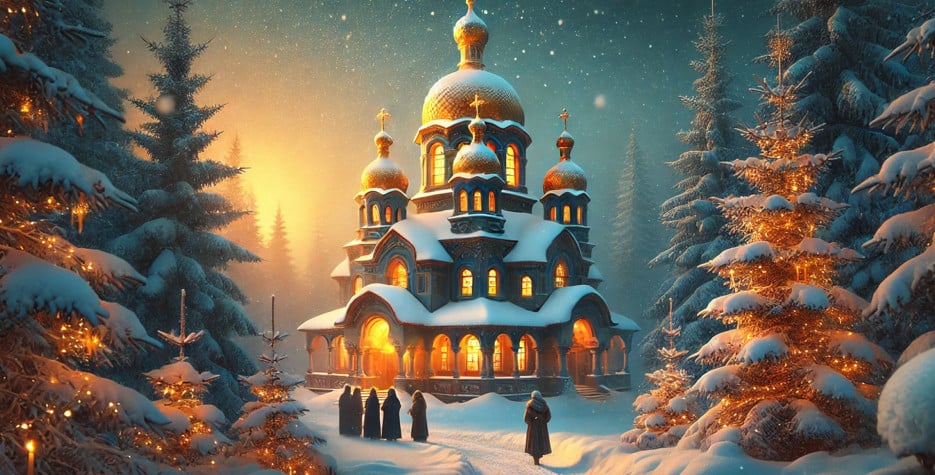
Food That Tells a Story: Traditional Serbian Christmas Dishes
Forget the usual turkey or ham. Serbian Christmas food is all about symbolism and taste that’s been perfected over centuries.
Česnica: The Sacred Christmas Bread
Česnica is the heart of the Serbian Christmas table. This round, often braided bread contains a coin baked inside. Whoever finds the coin is said to have good luck in the new year.
Families gather to break the česnica together before the meal starts — it’s a ritual that binds everyone and sparks lively conversation.
Other Traditional Dishes
- Fish (usually carp), symbolizing purity and fasting compliance.
- Bean soup and pickled vegetables, representing simplicity and preservation.
- Homemade pies and koljivo (boiled wheat) — a nod to ancestors and health.
Every dish is a page from history, a bite-sized connection to the past. Additionally, Christmas Gift Ideas covers similar aspects.
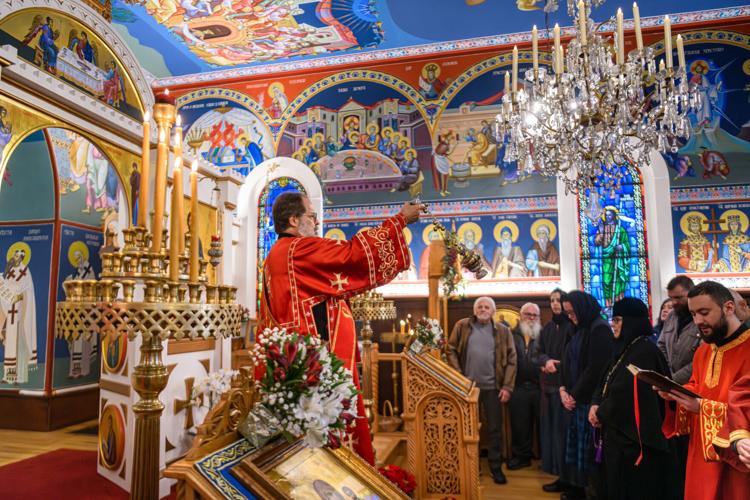
Customs That Shape Serbian Christmas in 2026
Religion and folklore go hand in hand here. In 2026, many Serbs will observe a strict 40-day fast leading up to Christmas, abstaining from meat, dairy, and eggs.
This fast isn’t just about discipline; it’s a spiritual cleanse, a way to prepare the soul for the holiday’s deeper meaning.
Greeting Traditions
“Christ is born!” (Hristos se rodi!) echoes through homes, met with the reply, “Truly He is born!” (Vaistinu se rodi!). This call and response is more than a greeting; it’s a proclamation of faith and joy.
Caroling and Visiting
Groups of children and adults often go door-to-door, singing carols called koledovanje. These songs aren’t just festive; they’re believed to bring health and prosperity to the households they visit.
In 2026, these visits will blend ancient melodies with modern cheer, a testament to Serbian culture’s adaptability.
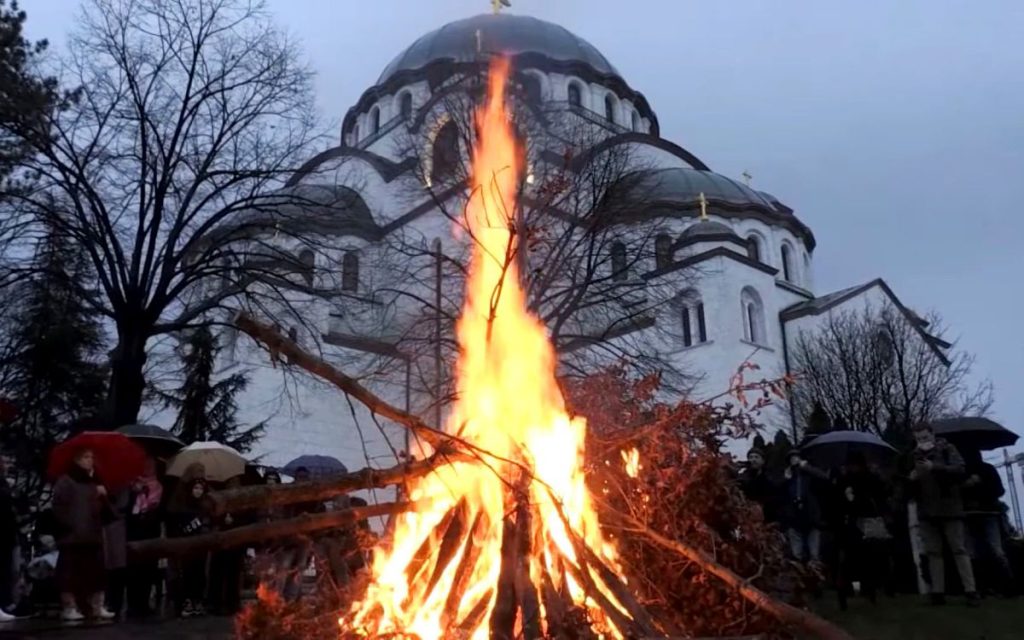
SERBIA CELEBRATES CHRISTMAS EVE: A great holiday of love and ... You can also check out Donald Trump Christmas Message for related insights.
Source: serbiantimes.info
Frequently Asked Questions
Why does Serbian Christmas fall on January 7th?
Serbian Christmas follows the Julian calendar, which lags 13 days behind the Gregorian calendar used globally, placing Christmas on January 7th.
What is the significance of the badnjak log?
The badnjak symbolizes life and prosperity. Lighting it on Christmas Eve is a centuries-old tradition meant to bring warmth and protection to the family.
Are gifts exchanged on Serbian Christmas?
Gifts are usually exchanged on New Year's Eve or January 1st rather than on Christmas Day itself, emphasizing the religious and family aspects of the holiday.
What foods are typically avoided before Serbian Christmas?
During the 40-day fast leading up to Christmas, meat, dairy, and eggs are avoided to purify the body and spirit.
So, if you’re lucky enough to land in Serbia this January 7th, 2026, expect more than just a holiday. You’ll witness a living tradition that blends solemnity with celebration, faith with folklore, and food with family.


