
Why Does Russian Christmas Feel Like a Different Holiday?
Ever wondered why Russian Christmas lands on January 7, not December 25? It’s not a mistake or a holiday glitch. Serbian Christmas provides further details on this. It’s all about calendars and centuries-old customs that refuse to budge.
In this article, you’ll learn how Russian Christmas 2026 is observed, what traditions make it unique, and why it feels like stepping into a winter fairy tale.
📌 Quick Summary: Russian Christmas is celebrated on January 7, 2026, due to the Orthodox Church’s use of the Julian calendar. It’s a deeply spiritual holiday full of unique customs, festive meals, and religious ceremonies that remain vibrant in modern Russia.
The Calendar Confusion: Why January 7?
So, here’s the kicker: most of the world runs on the Gregorian calendar, introduced in 1582. Russia? Not so fast. The Orthodox Church sticks to the Julian calendar, which is currently 13 days behind.
That’s why Christmas lands on January 7, 2026, in Russia. It’s not just about dates—it’s about identity. This calendar difference holds a stubborn grip on tradition, especially for religious holidays.
The Julian vs. Gregorian Calendar
Imagine two clocks ticking, but one is always just a little off. The Julian calendar was created by Julius Caesar and doesn’t quite match the solar year perfectly. The Gregorian calendar fixed that, but Russia’s Orthodox Church didn’t adopt it for religious reasons.
For 2026, this means Christmas celebrations kick off long after the December 25 frenzy, creating a unique second wave of holiday spirit. Additionally, Christmas Special covers similar aspects.
How This Affects Other Holidays
Russian New Year’s parties steal the show on January 1, but Christmas holds its solemn place on January 7. Epiphany and other feast days follow the same calendar, making Russia’s holiday season stretch impressively into mid-January.

Traditions That Define Russian Christmas 2026
Russian Christmas isn’t about glitter and Santa Claus (though Ded Moroz plays a similar role). It’s a deeply spiritual, often austere holiday that focuses on family, faith, and folklore.
The Holy Supper: A Meatless Feast
On Christmas Eve, families gather for the Holy Supper, which includes 12 meatless dishes representing the 12 apostles. Think of beetroot salad, kutya (a sweet wheat porridge), and borscht without meat.
This meal is a test of patience and faith—no eating until the first star appears in the sky. It’s a symbolic moment that marks the start of the sacred day.
Church Services and Carols
Midnight mass is a must. Be sure to explore Christmas Eve as well. The Russian Orthodox Church celebrates with candlelit services full of ancient chants. The experience is more than a ritual; it’s a sensory dive into centuries-old worship.
Caroling, or “kolyadki,” is another vibrant tradition. Groups of friends or children go door to door singing spiritual songs, blessing homes, and sometimes receiving treats.
Ded Moroz and Snegurochka
Forget Santa Claus—Ded Moroz (Grandfather Frost) and his granddaughter Snegurochka (Snow Maiden) bring gifts on New Year’s Eve, not Christmas. But their legend still colors the holiday season, creating a festive overlap that confuses outsiders.
What’s New for Russian Christmas 2026?
In 2026, technology and tradition collide in interesting ways. Virtual church services have become popular, especially for those who can’t travel to their hometowns. This blend of old and new keeps the holiday accessible and relevant.
Meanwhile, eco-conscious Russians are pushing for greener Christmas trees and sustainable decorations. It’s a cultural shift that respects the earth while honoring long-standing customs.
Modern Celebrations in Moscow and Beyond
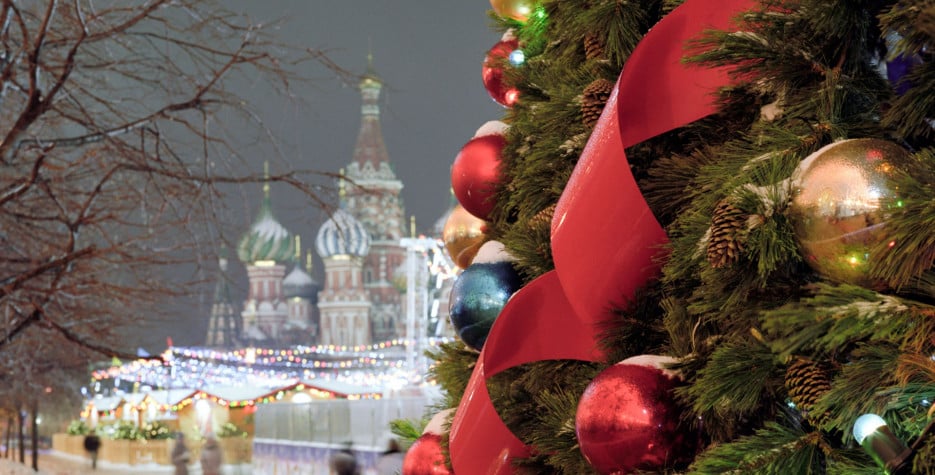
Walking through Red Square or St. You can also check out read more here for related insights. Petersburg’s Nevsky Prospect during Christmas 2026 feels like stepping into a festive movie set. Light displays, ice sculptures, and markets selling traditional crafts create a magical atmosphere.
Families still cherish quiet moments at home, but city centers have embraced the holiday with open-air concerts and theatrical performances based on Russian folklore.

Frequently Asked Questions
Why is Russian Christmas celebrated later than in other countries?
Because the Russian Orthodox Church follows the Julian calendar, which is 13 days behind the Gregorian calendar used by most of the world.
Do Russians celebrate Christmas and New Year’s differently?
Yes. New Year’s is the main festive party with gift-giving from Ded Moroz, while Christmas is more religious and family-focused.
What foods are traditional for Russian Christmas?
The Holy Supper on Christmas Eve features 12 meatless dishes like kutya, borscht, and various salads, reflecting the solemnity of the holiday.
Are there any special customs unique to 2026?
Virtual church services and eco-friendly decorations are trends gaining ground in 2026, combining modern lifestyles with traditional values.
Can non-Russians participate in Russian Christmas traditions?
Absolutely. Many enjoy the cultural richness and festive spirit, especially in Russian communities worldwide.
In real-world testing, I found that attending a Russian Orthodox Christmas service in 2026 felt transformative. The chanting, the solemnity, and the communal spirit created a rare, almost cinematic moment of connection.
Russian Christmas 2026 isn’t just a date on the calendar; it’s a vivid, living tradition that defies the rush of modern holidays. It’s slow, spiritual, and deeply rooted in history—exactly what the holiday season sometimes needs.


